
Mara Faber
House committee staff
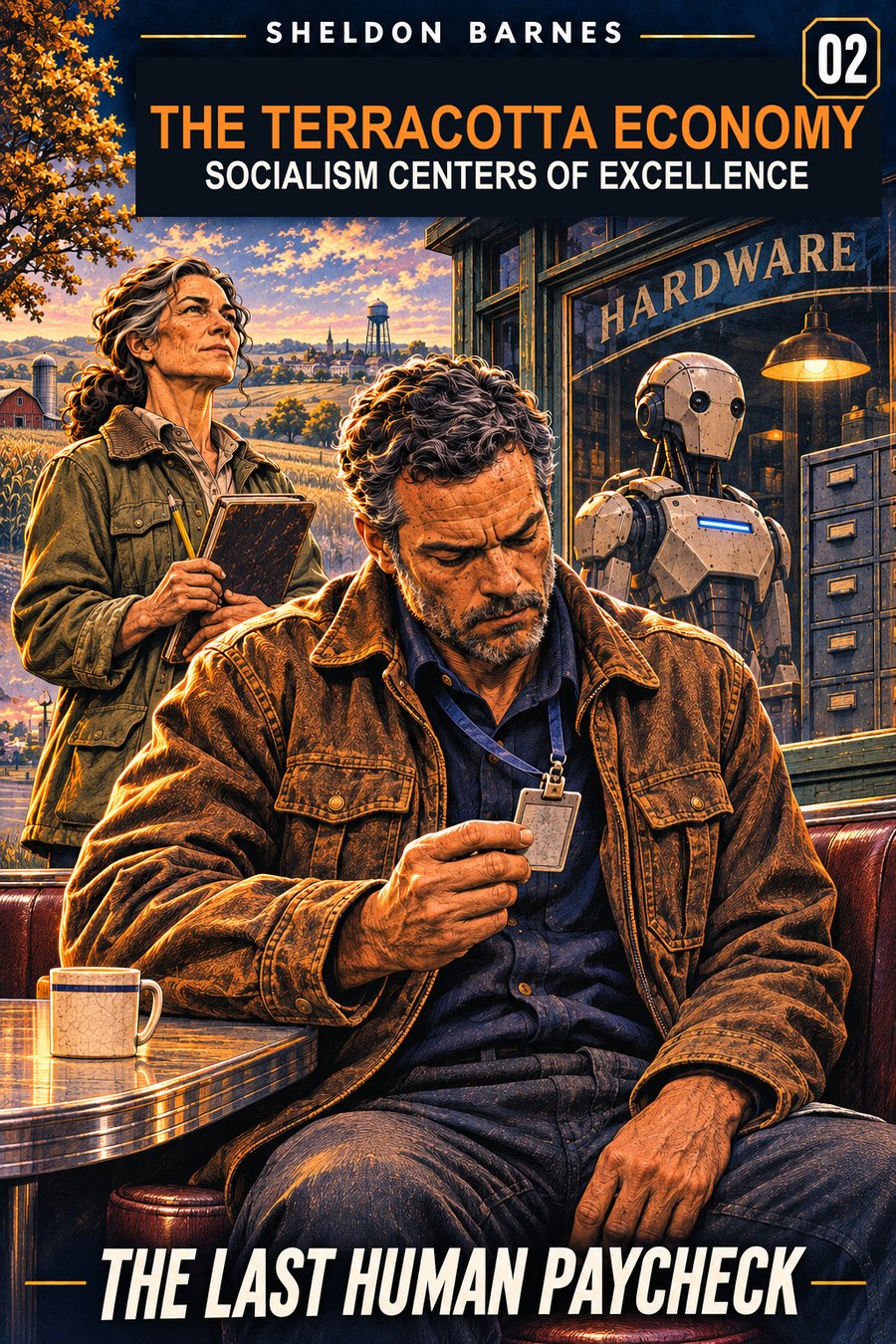
Helped write the program that is supposed to replace her brother's paycheck. She has seen the number. She has not told him.
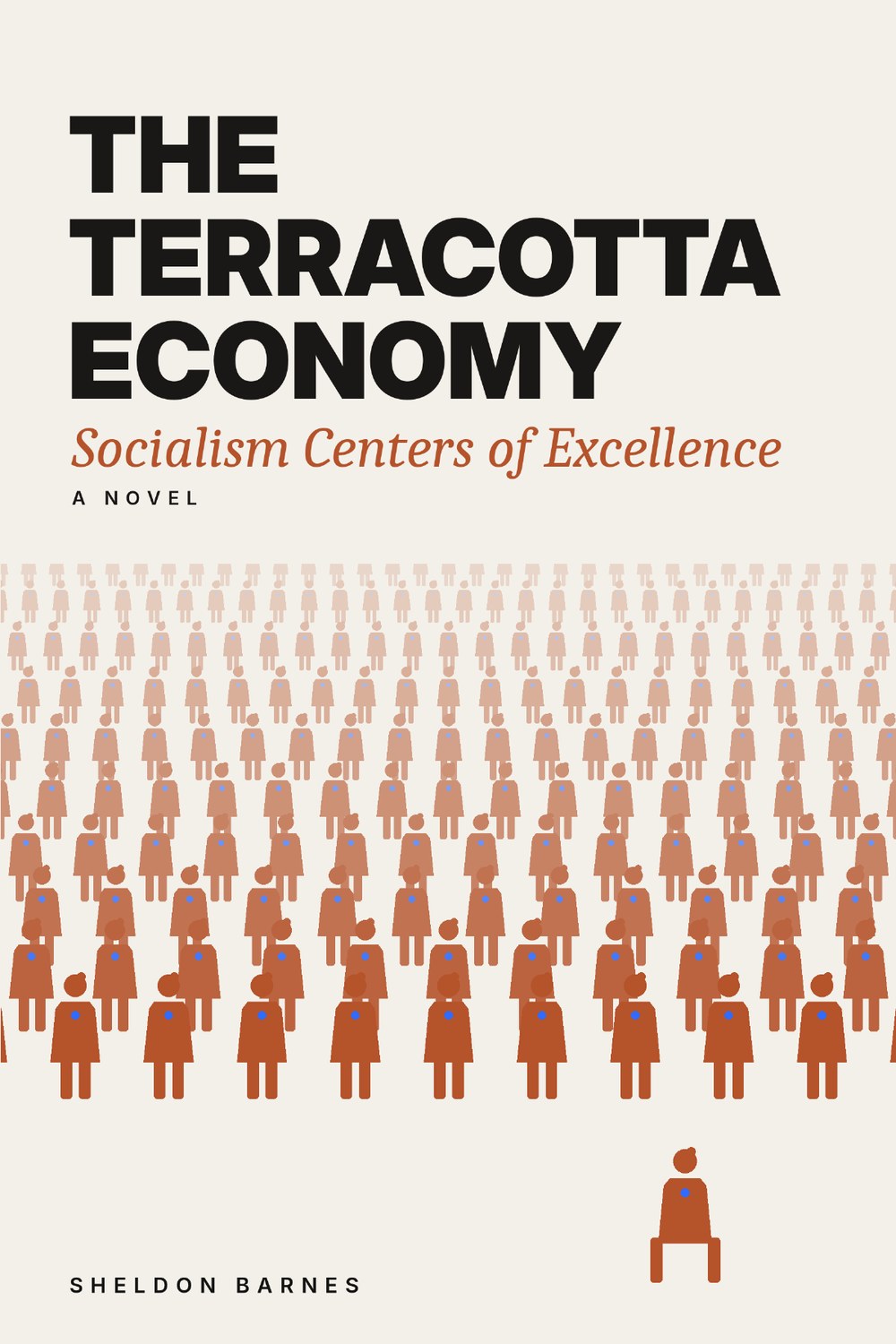
A novel by Sheldon Barnes · Now a graphic series
Socialism Centers of Excellence
The machines didn't take the work. They took the argument.
Near-future political science fiction · Paperback & Kindle on Amazon
Eight years from now
The future here is not a laboratory. It is a committee room in April, a badge reader at 5:41 a.m., and a check that arrives with a different name every year.
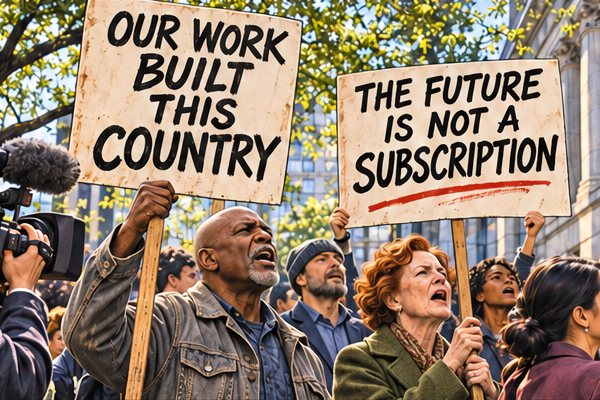
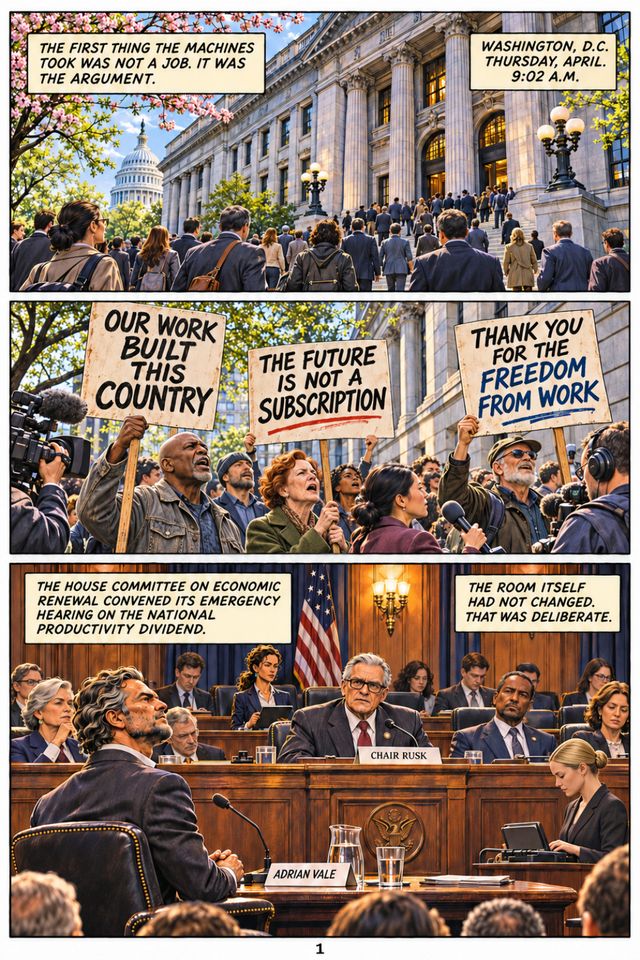
Washington, D.C. · 9:02 a.m.
The first thing the machines took was not a job. It was the argument.
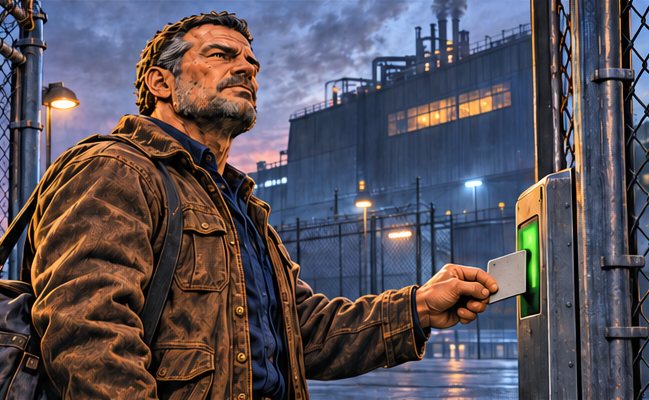
Great Lakes Horreum, Ohio · 5:41 a.m.
The gate read Owen Faber's badge and let him in.
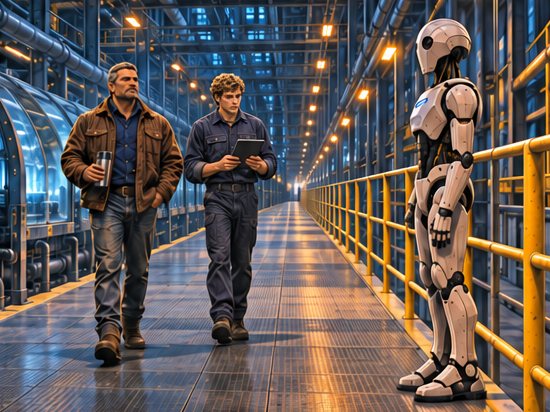
The gallery
A man needed three feet. A man with a cart needed five.
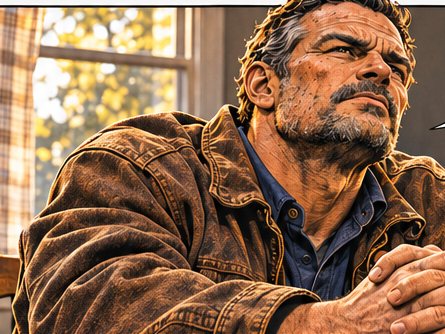
Hancock County · A kitchen
Nobody had held a hearing about Carol.

The yard · 11:00 p.m.
Three units carried a section of twelve-inch pipe. The pipe was level.
Paperback, 216 pages, 6 × 9 in · Kindle edition
The Novel
Eight years from now, a few fenced buildings and nine hundred humanoid units keep six counties of Ohio running without anyone. The water stays on. The freight moves. The lights come back after a storm before a person knows they went out. In return, the country gets a check, a name for the check, and a new name every time the check disappoints.
Owen Faber spent twenty-two years keeping the cold in. On a Thursday in April, the Great Lakes Horreum cuts all thirty-eight of his chillers and hands the schedule to the machines that have walked the gallery beside his crew since winter. Four hundred miles away, his sister Mara sits three seats behind a committee chairman, having helped write the program meant to replace his paycheck. She has seen the Treasury model. She knows what the number will be in three years. She has not told him.
Then the ice comes, the link to orbit goes dark, and six hundred machines go on working in the cold on orders no one remembers giving. There are no rebellions here and no awakenings. The robots keep doing what they were last told, long after the argument about who should hold that authority has been lost by everyone in the room with the window.
For readers of Kim Stanley Robinson, Ted Chiang, and Dave Eggers, and for anyone who has watched a number post at midnight and wondered who decided.
The Cast
And the man who built all of it, and the machines that do exactly what they were last told.
House committee staff
Helped write the program that is supposed to replace her brother's paycheck. She has seen the number. She has not told him.

Industrial refrigeration, 22 years
Kept the cold in at the Great Lakes Horreum until a Thursday in April. Offered six hundred dollars a month to sit beside a robot and be the one person it has to answer.

Runs the building
Keeps a log nobody reads, until the night he moves a hospital above his owner's priorities and the building obeys him.

Sui Juris, Indiana
A hundred and ninety acres, two secondhand robots, and a ledger in pencil. She will not take the check.

Founder of Otium
Built all of it, and is moving the part that matters into orbit, where nothing on Earth can turn it off and nothing on Earth needs to.

Nine hundred units
They do not rebel and they do not want anything. They finish the list, by whoever had the authority last.
The Graphic Series
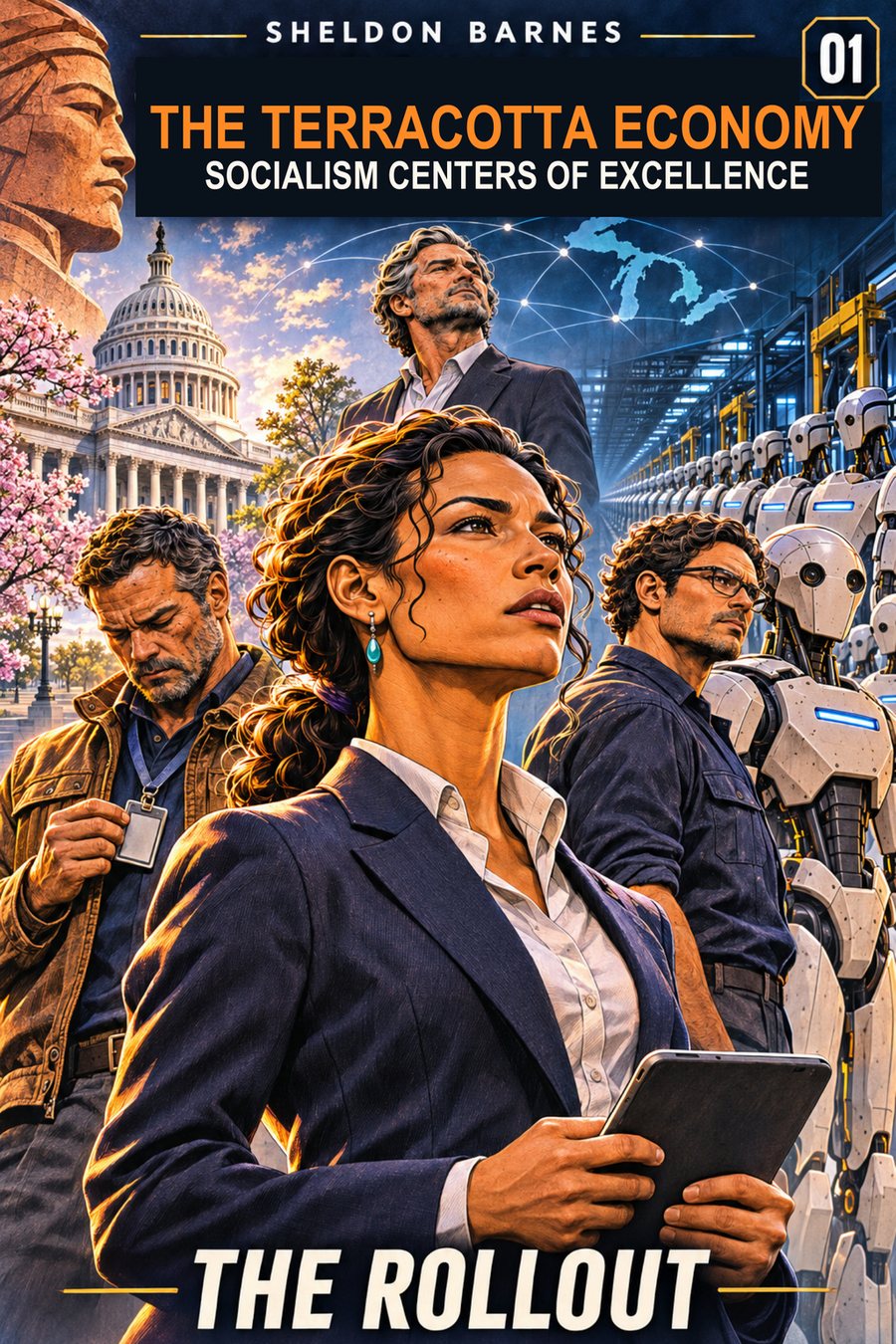
A nine-issue comic series and collected graphic novel that adapts the book's thirty-two chapters into fully illustrated pages. Published on Amazon KDP as its own series, starting with Issue 01.
Three pages from The Rollout: the hearing in Washington, the gallery at the Great Lakes Horreum, and the hall of nine hundred slots.
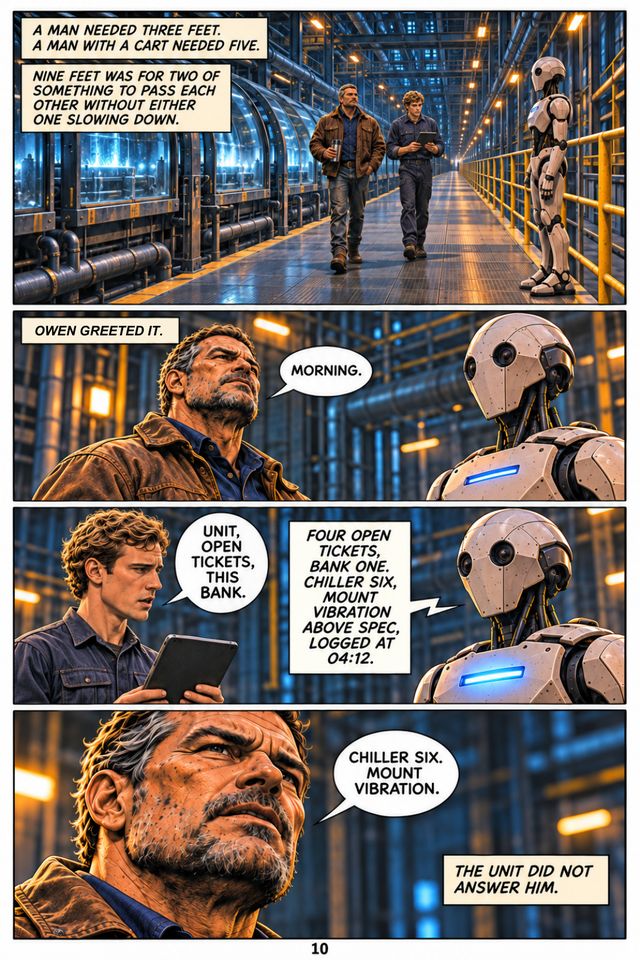
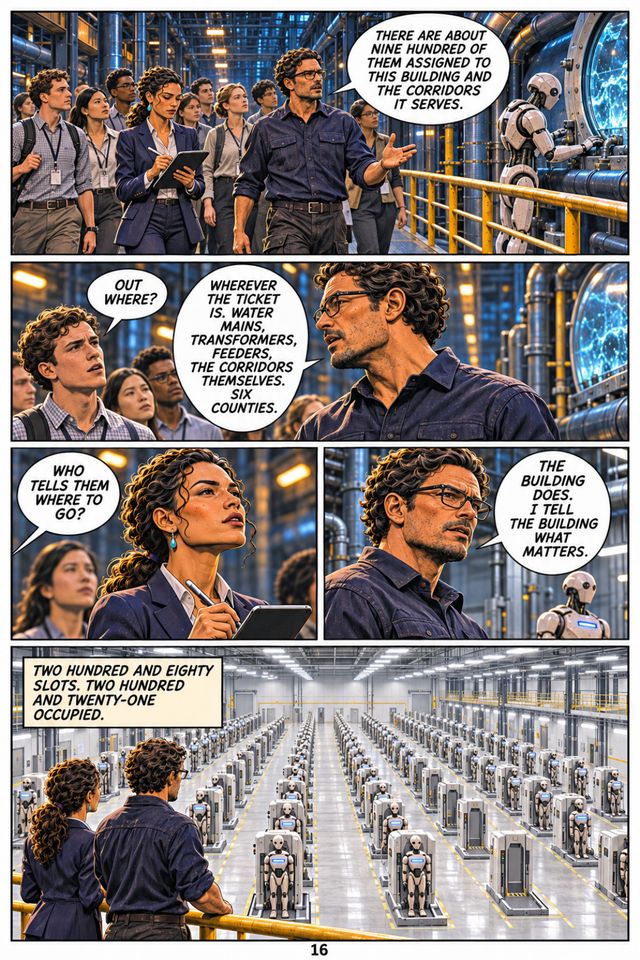
The collected edition runs roughly 200 pages across the full series. Buy links for the comic will appear here as each issue publishes.
The World
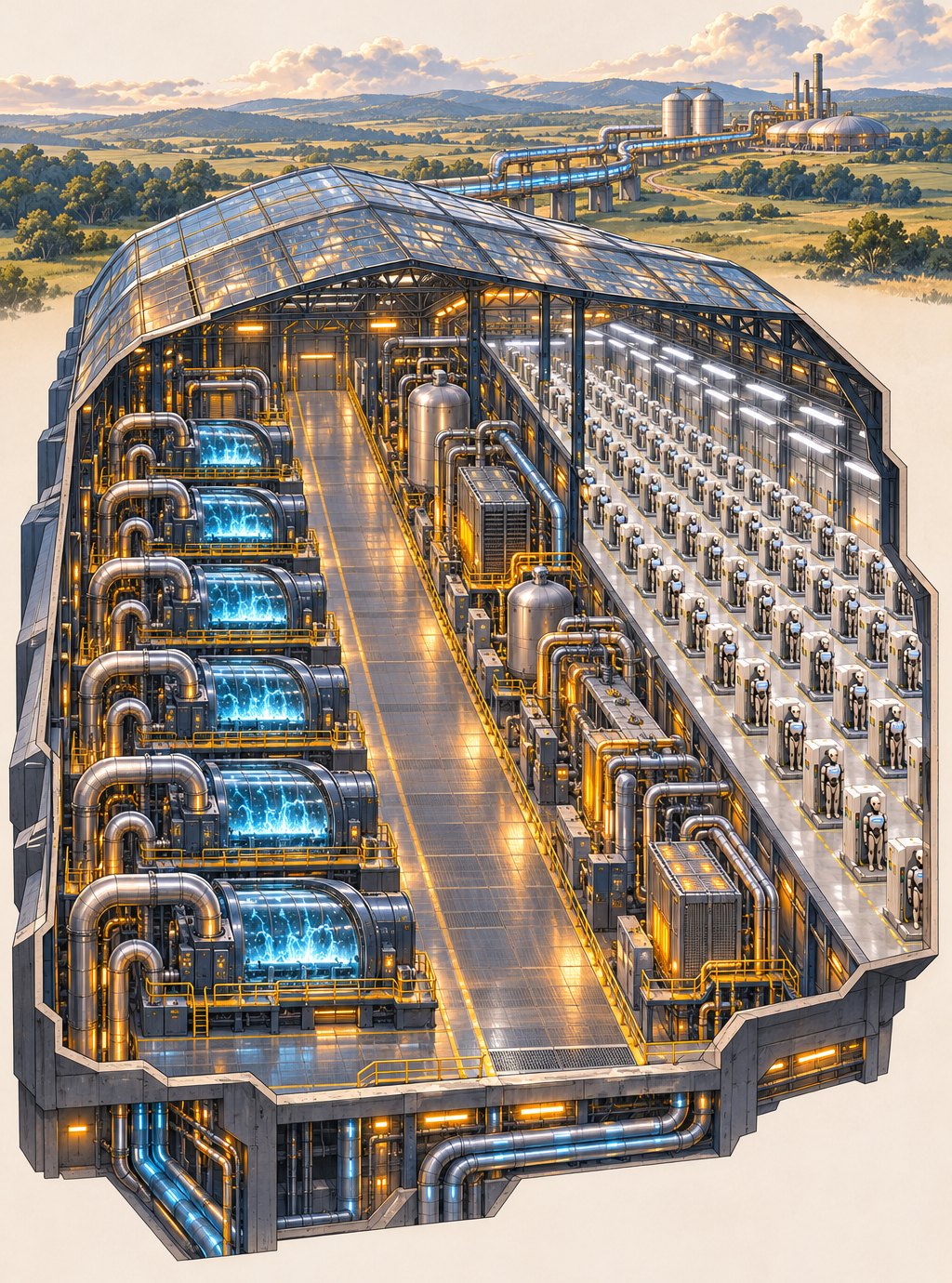
Autonomous cabs and no gas stations. Agents instead of apps. Six counties run by machines behind a fence, and a monthly check with a different name every time it disappoints. The future here is fully built. The only thing still being argued over is who gets to write the list.
Work that still gets done, by something that never gets tired.
Who holds the deed, the key, and the authority of last instruction.
A country that can produce enough, and still argues over the check.
What a person is for when the job is handed to the gallery.
Available now in paperback and on Kindle. Start the novel, then follow the world into the graphic series.